Overview
This private tour turns the journey from Fes to Marrakech into a two-day crossing of the Sahara’s edge. You leave Fes in the morning, climb through the cedar forests of the Middle Atlas, follow the Ziz Valley south and reach Merzouga in time for a sunset camel ride and a night at a camp in the Erg Chebbi dunes.
Day two is the long one: after sunrise you drive west via the Todra Gorge and the Dades region to Aït Ben Haddou, then over the High Atlas to Marrakech. It is an ambitious schedule – roughly 1,000 km in two days – so it works best for travellers who want to see the dunes on the way between the two cities and do not mind long hours in the vehicle.
Itinerary checked: · Travel Tours Morocco
Highlights
- Coffee stop in Ifrane, the Middle Atlas town nicknamed “Little Switzerland”
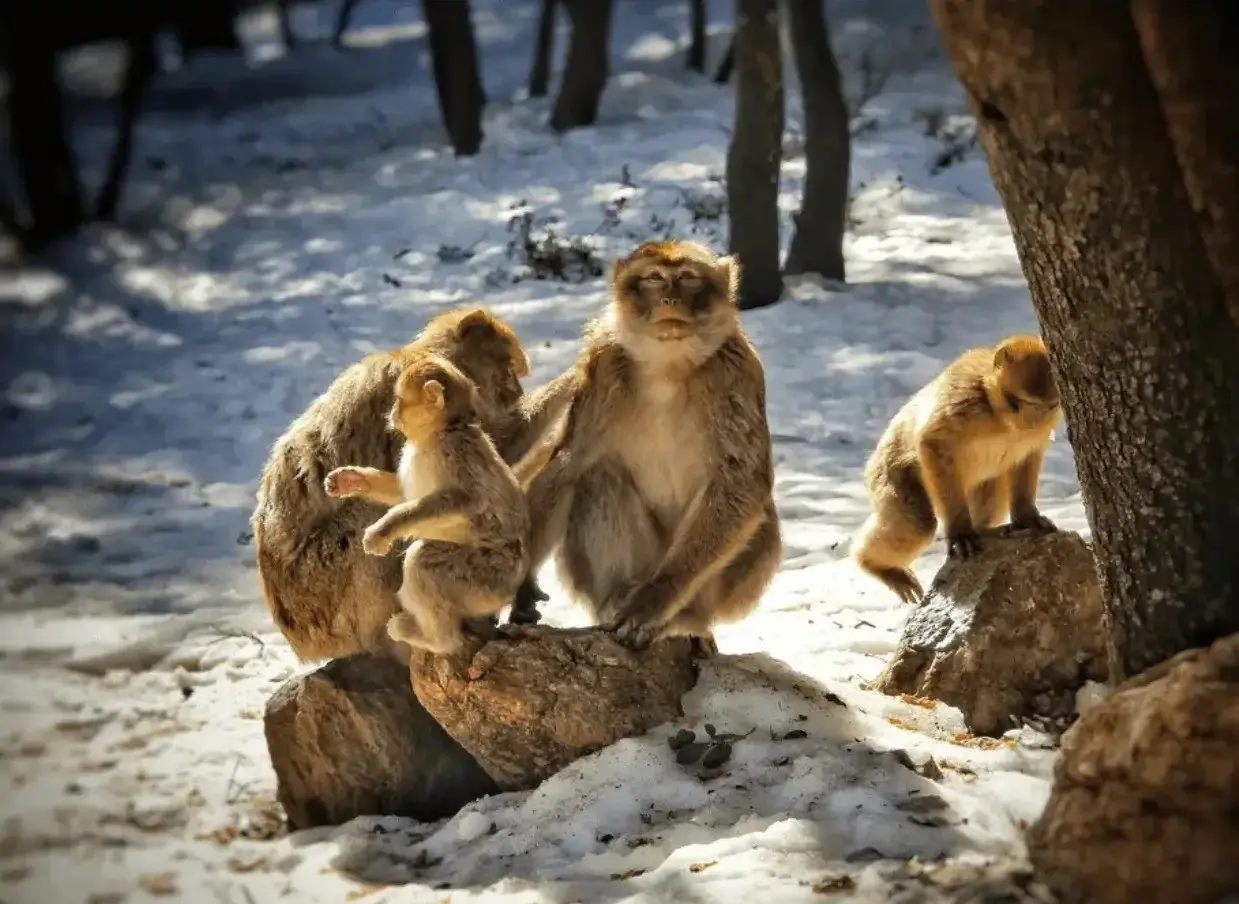
- Look for Barbary macaques in the cedar forest near Azrou
- Viewpoints over the palm groves of the Ziz Valley
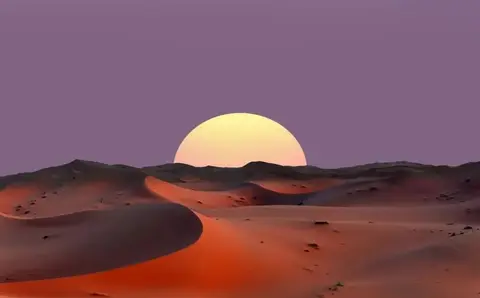
- Sunset camel ride into Erg Chebbi and a night at a desert camp
- Short walk into the Todra Gorge, whose walls rise to about 300 m
- Photo stop at Aït Ben Haddou and the 2,260 m Tizi n’Tichka pass
Places you’ll visit
- Fes
- Ifrane
- Azrou cedar forest
- Midelt
- Ziz Valley
- Merzouga
- Erg Chebbi
- Todra Gorge
- Aït Ben Haddou
- Tizi n’Tichka
- Marrakech
Day-by-day itinerary
Day 1Fes – Ifrane – Azrou – Midelt – Ziz Valley – Merzouga
Your driver picks you up in Fes early in the morning and heads south into the Middle Atlas. The first stop is Ifrane, a tidy mountain town of sloping roofs that feels more Alpine than Moroccan.
Next comes the cedar forest near Azrou, where Barbary macaques often gather by the road – please watch rather than feed them. After lunch in Midelt (not included), the road crosses the eastern High Atlas and descends into the Ziz Valley, a long ribbon of palms below desert cliffs.
You reach Merzouga in the late afternoon, swap the vehicle for a camel and ride into Erg Chebbi to watch the sun set over the dunes. Dinner and Berber music around the fire round off the day at camp.
Day 2Merzouga – Todra Gorge – Ouarzazate – Aït Ben Haddou – Marrakech
Wake early for sunrise on the dunes, have breakfast at camp and ride back to Merzouga to meet your driver. The drive west passes Erfoud and Tinghir before turning into the Todra Gorge for a short walk between its towering limestone walls.
From there you follow the road through the Dades region and past Ouarzazate, stopping for lunch (not included) along the way. In the afternoon you visit Aït Ben Haddou, the fortified ksar that has been a UNESCO World Heritage Site since 1987 and has appeared in films such as Gladiator.
The final stretch climbs over Tizi n’Tichka at 2,260 m and winds down to Marrakech, where you are dropped at your accommodation, usually in the evening.
View the journey on the map
Follow the main travel path, key stops and overnight destinations on an interactive road map. Total driving: ~1,053 km.
Loading map…
- Day 1 · Fes → Ifrane → Azrou cedar forest → Midelt → Ziz Valley → Merzouga (~462 km)
- Day 2 · Merzouga → Todra Gorge → Ouarzazate → Aït Ben Haddou → Marrakech (~591 km)
Routes and distances are approximate, based on OpenStreetMap roads; the exact road can vary with conditions on the day.
Accommodation options
| Level | Property | Location |
|---|---|---|
| Night 1 – Merzouga desert camp | ||
| Luxury | Sahara Majestic Luxury Camp | Erg Chebbi, Merzouga |
| Mid-range | Les Roches Luxury Desert Camp | Erg Chebbi, Merzouga |
| Standard | Les Roches Desert Camp | Erg Chebbi, Merzouga |
Examples by level, subject to availability; we may suggest an equivalent alternative.
What’s included
- Private air-conditioned 4×4 or minibus
- English or Spanish-speaking driver
- Fuel and road tolls
- Sunset camel ride
- One night in a desert camp in Erg Chebbi
- Sandboarding on the dunes
- Dinner and breakfast at the camp
Not included
- Lunches
- Drinks and beverages
- Tips (optional)
- Personal expenses
Good to know
- Day two covers roughly 575 km. If you would like a gentler pace, ask about adding a night in the Dades Valley.
- If you prefer not to ride a camel, a 4×4 transfer to and from camp can be arranged at no extra charge – tell us when booking.
- Pack a small overnight bag for the camp; your main luggage stays in the vehicle.
- Evenings in the desert and on the Middle Atlas can be cold, so bring a warm layer.
Who this tour suits
This tour suits travellers heading from Fes to Marrakech who want a taste of the Sahara on the way and are comfortable with two full days of driving. It is demanding for young children and less ideal if you want time to explore the gorges or kasbahs properly. With an extra day, the same route becomes far more relaxed.
Make it yours
On request we can add a night in the Dades Valley or Ouarzazate, upgrade your camp, replace the camel ride with a 4×4 transfer, or turn the trip into a round tour that returns to Fes. Send us your dates and group size and we will confirm the options in your quote.
Frequently asked questions
How far is the Sahara from Fes?
The Erg Chebbi dunes at Merzouga are about 470 km from Fes by road, which takes roughly 7.5 to 8.5 hours without stops. On this tour the drive is broken up with stops in Ifrane, the cedar forest near Azrou, Midelt for lunch and Ziz Valley viewpoints, so you arrive in the late afternoon in time for the sunset camel ride.
How long is the drive from Merzouga to Marrakech on day two?
Day two is about 575 km, or 10 to 11 hours of driving, because the route detours into the Todra Gorge and stops at Aït Ben Haddou before crossing the High Atlas. Expect to reach Marrakech in the evening. If that sounds too much, we can add an overnight stop in the Dades Valley on request.
Can we skip the camel ride to the desert camp?
Yes. If you prefer not to ride a camel, we arrange a 4×4 transfer between Merzouga and the camp instead, at no extra charge. Please mention it when you book so the camp is ready for you. You still enjoy sunset, sunrise and the evening at camp exactly as planned.
What should I pack for a 2-day desert tour?
Pack light: a small overnight bag for the camp, comfortable clothes, a hat, sunglasses, sunscreen and a refillable water bottle. A warm jacket or fleece is essential, as desert nights and Middle Atlas mornings can be cold for much of the year. Bring any personal medication and a power bank for your phone or camera.
Are there showers and electricity at the desert camp?
Our partner camps range from luxury to standard. Higher-level camps typically offer private tents with en-suite bathrooms and charging points, while simpler bivouacs have more basic facilities. When we prepare your quote we confirm what your chosen camp provides, so you can decide which level suits you.