Travel planning
Best Time to Visit Morocco: A Month-by-Month Guide
The best time to visit Morocco for most trips is spring (March to May) and autumn (September to November), when cities, mountains and the Sahara are all comfortably warm. July and August are very hot inland but good for the Atlantic coast, while winter is quiet and sunny by day but cold at night in the desert and mountains.
The short answer: when is the best time to visit Morocco?
For a first trip that mixes Marrakech or Fes with the High Atlas and a night in the Sahara, aim for mid-March to May or mid-September to November. Days are warm rather than hot, desert nights are cool but bearable, and mountain roads such as the Tizi n’Tichka pass are usually clear of snow.
That does not make the rest of the year a bad choice. Morocco stretches from the Mediterranean to the edge of the Sahara and rises to over 4,000 m in the High Atlas, so there is almost always somewhere with good weather. The trick is to match the season to the regions you want to see.
Morocco’s seasons at a glance
Spring (March to May)
The countryside is at its greenest after winter rain, almond and fruit trees blossom in the valleys, and wildflowers cover the lower slopes of the Atlas. Marrakech is pleasant for walking, and the Sahara is warm by day without being exhausting. Expect the odd shower in March, especially in the north.
Summer (June to August)
Inland cities and the desert are hot. Sightseeing is best done early in the morning and after 5 pm, with a long rest in the middle of the day. The Atlantic coast is the place to be: Essaouira, Agadir and the beaches near Tangier and Asilah stay much cooler thanks to sea breezes.
Autumn (September to November)
September can still be hot in the south, but by October the whole country settles into warm, stable weather. Light is soft and golden, the date harvest is under way in the oases, and it is an excellent season for trekking. November is cooler, with the first rain arriving in the north.
Winter (December to February)
Days are often bright and sunny, but temperatures drop quickly after sunset. The High Atlas is snow-capped, Ifrane and the Middle Atlas can see snowfall, and desert nights fall close to freezing. In return you get quieter sights and, outside Christmas and New Year, lower demand.
Morocco weather by month
The table below shows typical average daytime highs in four very different places. These are approximate long-term averages: individual days can be several degrees hotter or cooler, and night-time temperatures are much lower, especially in the desert.
| Month | Marrakech | Fes | Merzouga (Sahara) | Essaouira (coast) |
|---|---|---|---|---|
| January | 18–19°C | 15–16°C | 17–19°C, nights near 3°C | 18°C |
| February | 20°C | 17°C | 20–21°C | 18–19°C |
| March | 22–23°C | 19–20°C | 24–25°C | 19°C |
| April | 25°C | 22°C | 28–29°C | 20°C |
| May | 28–29°C | 26°C | 33–34°C | 21°C |
| June | 32–33°C | 30–31°C | 38–39°C | 22°C |
| July | 36–38°C | 34–35°C | 42–43°C | 22–23°C |
| August | 36–37°C | 34–35°C | 40–41°C | 23°C |
| September | 31–32°C | 30–31°C | 35–36°C | 23°C |
| October | 27–28°C | 25–26°C | 28–29°C | 22°C |
| November | 22°C | 19–20°C | 22–23°C | 20–21°C |
| December | 19°C | 16–17°C | 18°C, nights near 3°C | 19°C |
January and February
The coolest months, with crisp mornings and sunny afternoons in Marrakech. Snow closes high trails in the Atlas and can occasionally delay traffic on the Tizi n’Tichka pass for a few hours. Almond blossom appears in the valleys from late January to February. Pack a warm jacket for desert nights.
March, April and May
The classic window. March can bring showers, April is often the most comfortable month nationwide, and May is warm with long evenings. By late May the Sahara starts to feel hot in the middle of the day, so camel rides shift to sunset and sunrise.
June, July and August
Heat builds steadily inland. In July and August, Marrakech and Fes frequently pass 38°C and the desert can exceed 42°C. Desert tours still run, but plan around early starts and air-conditioned driving. The coast is busy with Moroccan families on holiday.
September, October and November
Early September is still summer in the south; by October conditions are ideal almost everywhere. November is mild and quieter, though the north and the Rif mountains around Chefchaouen become wetter as the month goes on.
December
Short, often clear days and cold nights. Marrakech is pleasant for sightseeing, and the combination of snowy peaks and desert dunes on one trip is striking. Christmas and New Year are a busy exception, so book early for those dates.
Best time for the Sahara, mountains, cities and coast
Sahara desert trips
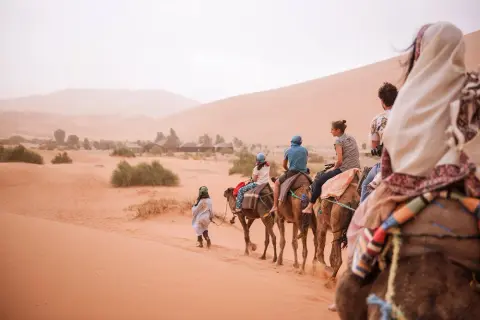
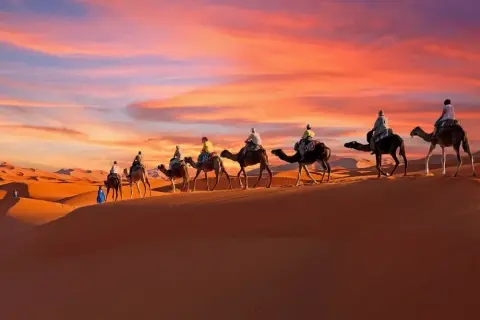
March to May and late September to November are the most comfortable months for a camel ride and a night in the Erg Chebbi dunes near Merzouga. Winter is also very rewarding if you pack properly: clear skies make for excellent stargazing, but you will want a hat and fleece at the camp. A 3-day desert tour from Marrakech works well in any of these windows.
In summer, desert tours still operate. The camel ride takes place close to sunset, and the hottest hours are spent in the vehicle or in shade. If you are sensitive to heat, choose a shorter itinerary or travel in another season.
Trekking in the High Atlas
Late April to June and September to October are best for walking around Imlil and the Toubkal area. In winter, the high trails are under snow and require crampons and an experienced mountain guide. In midsummer the valleys are hot, but higher routes remain pleasant. Our Atlas Mountains guide covers routes in more detail.
Marrakech, Fes and the imperial cities
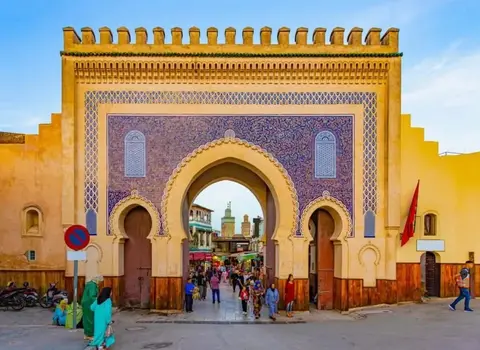
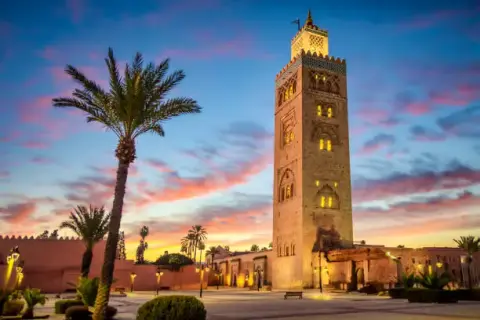
Spring and autumn are ideal for long days in the medinas. Winter is a good second choice: the light is clear, crowds are thinner, and a riad with a fireplace or heating makes evenings cosy. Summer city breaks are possible if you sightsee early and rest in the afternoon. A longer route such as the 10-day tour from Fes is best timed for spring or autumn, when every region on the way is comfortable.
Beaches and the Atlantic coast
For swimming and beach days, June to September is the most reliable period, with Agadir offering the calmest bay. Essaouira is windy for much of the year, which suits kitesurfers more than sunbathers. Spring and autumn are lovely for walking the coast, even if the water is cool.
Ramadan, festivals and holidays
Ramadan follows the Islamic lunar calendar and moves about 11 days earlier each year, so check the dates for your travel year. Visiting during Ramadan is easy and can be a memorable experience. Many cafés and restaurants in less touristy areas close during daylight, some sights shorten their hours, and streets come alive after sunset when families break the fast with harira and dates.
Eid al-Adha, also set by the lunar calendar, sees many Moroccans travel to their families, so roads, trains and buses get busy and some shops close for a few days. Music festivals tend to cluster in late spring and early summer, including the Gnaoua festival in Essaouira. Dates vary each year, so confirm them before planning around an event.
Choosing your month: a quick decision guide
- Cities, desert and mountains in one trip: April, May, October.
- Lower demand and clear skies: January, February, late November.
- Beach holiday: June to September on the Atlantic coast.
- Trekking: May, June, September, October.
- Photography and stargazing in the Sahara: October to March, when the air is clear and the light is low.
Whatever you choose, pack layers. Even in spring, a sunny afternoon in Marrakech can be followed by a cold evening in the mountains or the desert. Our guide to what to wear in Morocco covers clothing for each season.
Frequently asked questions
What is the best month to visit Morocco?
April and October are the best all-round months for most travellers. Both bring warm, settled weather to Marrakech and Fes, comfortable conditions in the Sahara and generally clear mountain passes. May and late September are close behind. If you want lower demand and do not mind cold nights, February is a good alternative.
Is it too hot to visit Morocco in summer?
Inland Morocco is very hot in July and August, often above 38°C in Marrakech and 42°C in the desert. It is still possible to travel if you start early, rest at midday and stay hydrated. Alternatively, base yourself on the Atlantic coast, where Essaouira and Agadir stay in the low to mid 20s.
Is December a good time to visit Morocco?
Yes, December is a good time for sightseeing if you like cool, clear weather. Marrakech is often sunny with daytime highs around 19°C, the High Atlas is snow-capped and the medinas are calmer. Desert nights drop close to freezing, so bring warm layers. Christmas and New Year are busy, so book those dates early.
When is the rainy season in Morocco?
Most rain falls between November and March, mainly in the north and along the Mediterranean and northern Atlantic coasts. Chefchaouen, Tangier and the Rif mountains are the wettest areas. Marrakech and the south see far less rain, and even in winter many days are dry and bright.
When is the best time to visit the Sahara in Morocco?
The most comfortable period for the Sahara is March to May and late September to November. Days are warm, evenings at camp are pleasant and the sand is not too hot to walk on. Winter is good for clear skies but very cold at night; summer is extremely hot and best for travellers who handle heat well.
Are sandstorms common in the Moroccan Sahara?
Strong winds that lift sand happen occasionally, most often in spring. They usually last a few hours rather than days and mainly reduce visibility and comfort. Camp teams and drivers are used to them and may adjust timings of camel rides. A scarf to cover your face is the most useful thing to carry.
Published · Updated