Travel planning
Morocco in Winter: Weather, Where to Go and What to Pack
Morocco in winter, from December to February, is mostly sunny and mild by day – typically around 17–20 °C in Marrakech and the desert – but cold at night, with desert nights near freezing and snow on the High and Middle Atlas. It is a good season for cities, the Sahara and the southern coast, provided you pack warm layers and allow for occasional road closures on mountain passes.
Is winter a good time to visit Morocco?
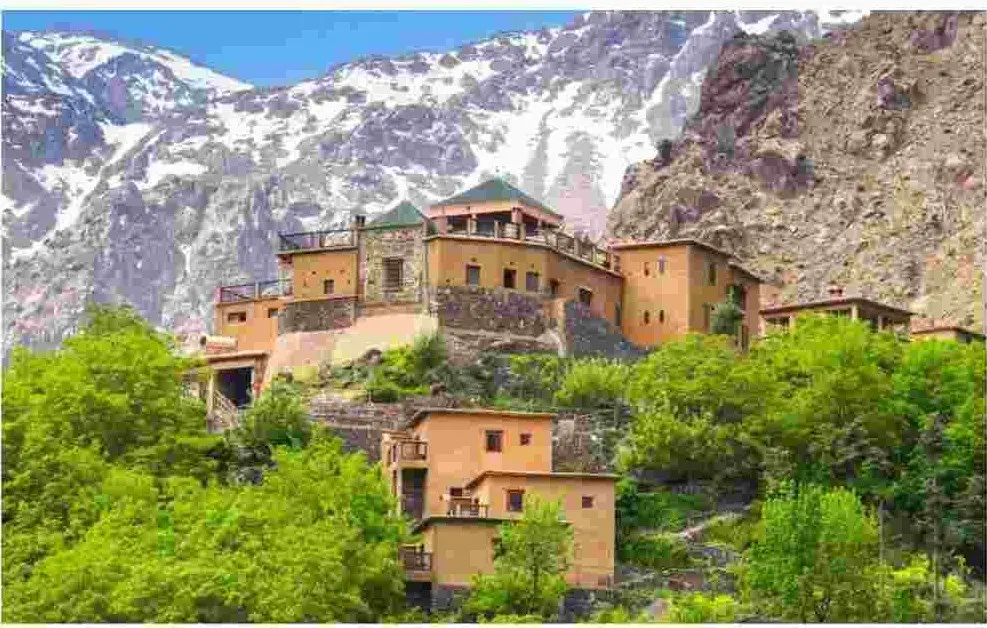
Yes, for many travellers winter is one of the best times to visit Morocco. The heat of summer has gone, skies are often clear, the light is soft and low, and the High Atlas is capped with snow – a striking backdrop to Marrakech and the kasbah route. Outside the Christmas and New Year holidays, sites are quieter than in spring and autumn.
The catch is the cold. Moroccan buildings are designed to stay cool, and many riads and guesthouses feel chilly in the evening, even when the afternoon was warm. In the Sahara, temperatures can fall sharply after sunset. With the right clothes and realistic expectations, though, Morocco in winter is very rewarding. Our guide to the best time to visit Morocco compares all seasons.
Winter weather by region
The figures below are typical average ranges for December to February. Real conditions vary from year to year, and cold snaps or rainy spells happen, so check a forecast shortly before you travel.
| Region | Typical daytime | Typical night | What to expect |
|---|---|---|---|
| Marrakech | About 17–20 °C | About 5–7 °C | Mostly sunny; cool mornings and evenings; occasional rain |
| Sahara (Merzouga) | About 16–20 °C | Around 0–5 °C, sometimes below | Clear, dry days; cold nights; occasional wind |
| High Atlas (Imlil, passes) | Cold to cool | Below freezing at altitude | Snow on peaks and passes; roads may close temporarily |
| Fes and Meknes | About 14–17 °C | About 4–6 °C | Cooler, with more rain than the south |
| Middle Atlas (Ifrane, Azrou) | Cold | Often below freezing | Snow is common; cedar forests under snow |
| Agadir and the south coast | About 20–22 °C | About 8–10 °C | The mildest region; mostly sunny |
| Essaouira | About 17–19 °C | About 9–11 °C | Mild, often breezy; Atlantic swell |
| Chefchaouen and Tangier | About 14–17 °C | About 6–9 °C | The wettest part of the country in winter |
The Sahara in winter
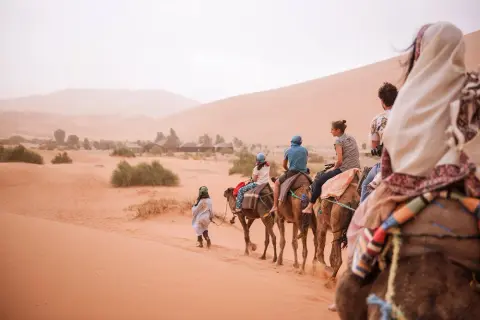
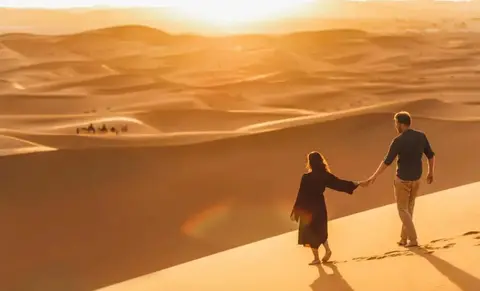
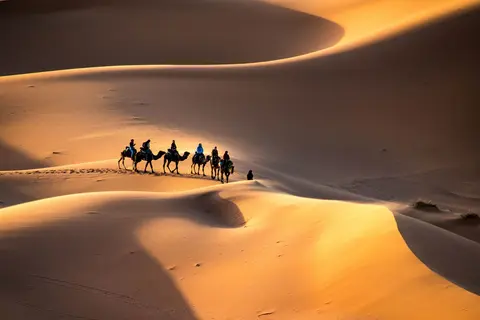
Visiting the desert in winter is very pleasant during the day. The sun is warm without being punishing, walking on the dunes is comfortable, and sunsets and sunrises over Erg Chebbi are crisp and clear. Camel rides in the late afternoon are far more enjoyable than in the heat of summer.
Nights are the challenge. Once the sun sets, the temperature drops quickly, and at the camps it can reach freezing in the early hours. Camps provide heavy blankets, and many luxury camps offer heating in the tents, so the camp level is worth thinking about in winter. Bring a warm jacket, hat and socks for the evening around the fire and for sunrise.
The 3-day desert tour from Marrakech is a popular winter trip, crossing the snowy Atlas on the way to the dunes. From the north, the 3-day desert tour from Fes passes through the Middle Atlas, which can be beautiful under snow.
Snow on the Atlas and road closures
Snow falls regularly on the High and Middle Atlas between December and February, and sometimes later. The Tizi n’Tichka pass on the Marrakech–Ouarzazate road climbs to 2,260 m, and heavy snowfall can close it for a few hours or occasionally longer while ploughs clear the road. Passes on the Middle Atlas routes between Fes, Midelt and Errachidia can be affected in the same way.
Closures are usually short, but they can mean delays, a change of route or an extra night on the way. On a private tour, your driver follows the latest road information and adjusts the day if needed. If you are driving yourself, check conditions locally before setting off and carry warm clothes, water and snacks in the car.
Snow also brings opportunities. The villages around Imlil look magical under snow, and the cedar forests near Ifrane and Azrou are lovely in winter. Our Atlas Mountains guide covers the region in more detail. Trekking at altitude in winter is serious mountaineering and should only be done with experienced local guides and proper equipment.
Where to go in Morocco in winter
Marrakech and the south
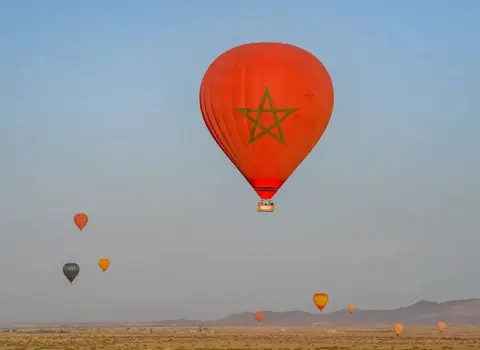
Marrakech is at its best on bright winter days, with the snowy Atlas visible from rooftop terraces. The south – Ouarzazate, Aït Ben Haddou, the Dades and Draa valleys – is dry and sunny, and the kasbahs look superb in the low light. Short day trips, such as the Ourika Valley or a hot air balloon flight over the Atlas foothills, work well, although balloon flights depend on weather and may be postponed.
The coast
Agadir and the southern coast are the warmest part of Morocco in winter and suit travellers who want sunshine and gentle walks by the sea, although the Atlantic is cool for swimming. Essaouira is mild and atmospheric, and winter is often less windy than summer. See our guide to Essaouira, Agadir and the coast.
Fes, Chefchaouen and the north
Fes, Meknes and the north are cooler and get more rain. The medinas are still well worth visiting, and fewer visitors make the souks easier to explore, but pack a waterproof and expect some grey days, especially in Chefchaouen and Tangier.
Festivals and holidays in winter
- Marrakech International Film Festival: usually held in late November or early December; check the official dates each year.
- Christmas and New Year: not Moroccan holidays, but a very busy period for travel, with higher demand for desert camps and riads; book early.
- Yennayer (Amazigh New Year): around 13–14 January, an official public holiday in Morocco since 2024, marked with family meals and celebrations, especially in Berber regions.
- Almond blossom season: in the Anti-Atlas around Tafraoute, almond trees usually flower in late January or February; local festivities depend on the year.
- Ramadan: in 2027, Ramadan is expected to begin around 8 February, subject to the sighting of the moon. Travel continues normally, but daytime rhythms change and some restaurants close during the day.
Dates for festivals and religious holidays move from year to year, so confirm them with official sources before planning a trip around an event.
What to pack for Morocco in winter
Layering is the key. You may start a desert morning near freezing and be in a T-shirt by lunchtime. Our desert packing guide has a full list; these are the winter essentials.
- A warm, packable jacket – down or synthetic – for evenings and desert nights.
- Fleece or warm jumper, plus thermal base layers if you feel the cold.
- Hat, gloves and a scarf, which also helps against dust in the desert.
- Warm socks and comfortable closed shoes; walking boots for the Atlas.
- A waterproof jacket, especially for Fes, Chefchaouen and the north.
- Long trousers and long-sleeved tops, which also suit local dress norms.
- Sunglasses and sunscreen – the winter sun is still strong, particularly at altitude.
- Lip balm and moisturiser for the dry desert air.
In towns and villages, modest clothing that covers shoulders and knees is also the respectful choice, and it doubles as extra warmth.
Planning a winter trip
Winter days are short, with sunset around 6 pm in December and January, so itineraries work best with fewer, more relaxed stops and early starts. Allow some flexibility on mountain routes in case of snow. Over Christmas and New Year, book well ahead.
Travel Tours Morocco runs private and shared tours from many cities, including Marrakech, Fes and Casablanca, with desert camps from standard to luxury. Custom winter itineraries and day trips are arranged on request – send us your dates by enquiry form, email or WhatsApp.
Frequently asked questions
Is Morocco cold in winter?
Morocco is mild by day and cold at night in winter. In Marrakech, daytime temperatures are typically around 17–20 °C, but evenings drop to single figures. Desert nights can approach freezing, and the Atlas Mountains have snow. Riads and guesthouses can feel chilly indoors, so warm layers are essential.
Is it worth visiting the Sahara in winter?
Yes, the Sahara is very rewarding in winter. Days are sunny and comfortable for camel rides and dune walks, and the skies are clear for sunsets and stars. The trade-off is cold nights, often close to freezing at the camps. Choose a camp with heating or good bedding and pack a warm jacket.
Does it snow in Morocco?
Yes, it snows in the High and Middle Atlas every winter. Peaks around Toubkal and towns such as Ifrane and Azrou regularly see snow between December and February. Heavy snowfall can close mountain passes like Tizi n’Tichka for a few hours or more. Snow in Marrakech or the desert itself is very rare.
Where is the warmest place in Morocco in winter?
Agadir and the southern Atlantic coast are the warmest places in Morocco in winter. Daytime temperatures there are typically around 20–22 °C, with plenty of sunshine. The deep south, including Ouarzazate and the desert, is also sunny and pleasant by day, but much colder at night than the coast.
What should I wear in Morocco in December?
In December, wear layers you can add and remove through the day. Bring a warm jacket, a fleece or jumper, long trousers, closed shoes, and a hat and gloves for the desert or mountains. A waterproof is useful in the north. Long sleeves and trousers also suit local dress norms in towns and villages.
Published · Updated